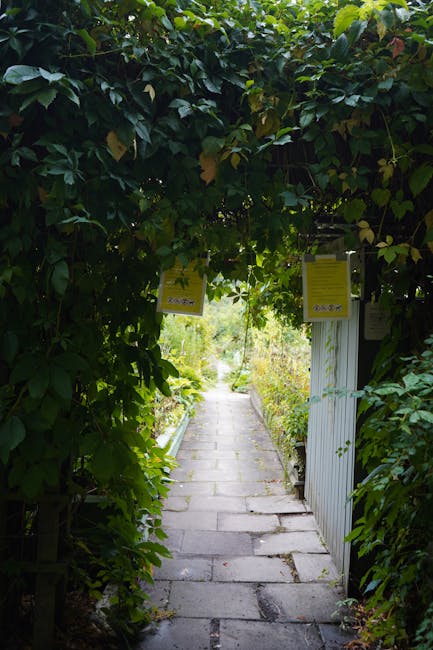
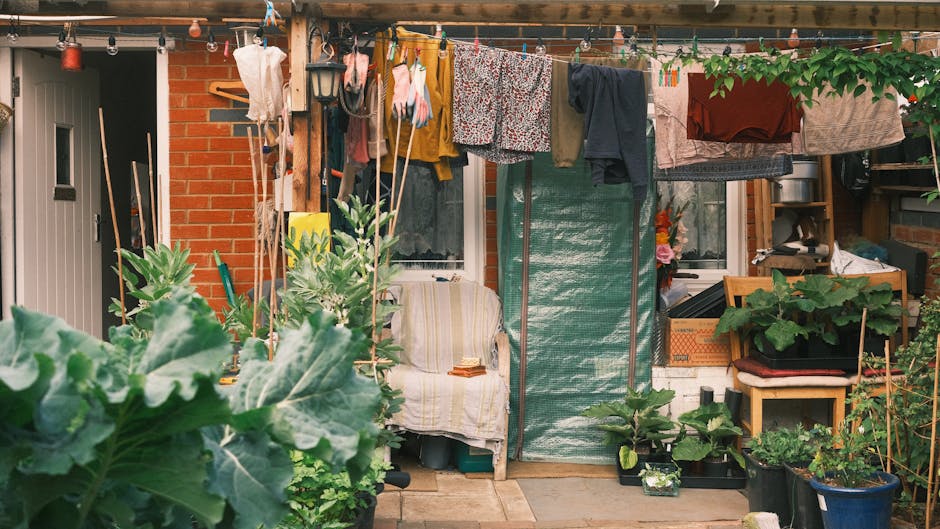
Hornsey gardeners N8 guide to Hornsey High Street small gardens
If you live near Hornsey High Street, you probably know the feeling: the garden looks promising from the back door, then reality kicks in and you realise it is... compact. Maybe it is a narrow terrace plot, a paved yard with one awkward border, or a tiny patch that gets more shade than sun. This Hornsey gardeners N8 guide to Hornsey High Street small gardens is here to make that space feel useful, calm, and genuinely pleasant to spend time in. Not bigger. Just better.
Small gardens can be brilliant, but they need a different approach. Every square metre matters, paths need to work properly, and planting has to earn its keep. In this guide, you will find practical ways to plan, improve, and maintain a small Hornsey garden without overcomplicating it. We will look at layout, planting, privacy, upkeep, and the kind of decisions that save you time later. A tidy, well-thought-out garden often starts with a few sensible choices, not a dramatic makeover.
Table of Contents
- Why Hornsey gardeners N8 guide to Hornsey High Street small gardens Matters
- How Hornsey gardeners N8 guide to Hornsey High Street small gardens Works
- Key Benefits and Practical Advantages
- Who This Is For and When It Makes Sense
- Step-by-Step Guidance
- Expert Tips for Better Results
- Common Mistakes to Avoid
- Tools, Resources and Recommendations
- Law, Compliance, Standards, or Best Practice
- Options, Methods, or Comparison Table
- Case Study or Real-World Example
- Practical Checklist
- Conclusion
- Frequently Asked Questions
Why Hornsey gardeners N8 guide to Hornsey High Street small gardens Matters
Hornsey High Street sits in a part of North London where outdoor space is often limited, shared, overlooked, or split into awkward shapes. That makes small-garden planning less about "adding lots of features" and more about making the space work day after day. The difference between a cramped garden and a lovely one is usually not size. It is structure.
For homeowners and tenants alike, a small garden can become a proper extension of the living space if it is designed with intention. A place to drink coffee, a safe corner for children, a low-maintenance patch for busy weeks, or simply somewhere that does not feel cluttered. To be fair, that is usually the goal. Nobody wants a garden that needs a spreadsheet to enjoy it.
There is also a practical side. In compact spaces, poor choices are amplified. One oversized shrub can block light. One badly placed shed can make access awkward. One patch of tired lawn can dominate the whole view. Good local gardeners understand how to avoid those traps and create a layout that feels calm rather than busy.
If your garden is currently overgrown or difficult to use, a clean start may help. Many people begin with garden clearance before moving on to redesign or routine upkeep. That sequence tends to make the work easier and the final result much better.
How Hornsey gardeners N8 guide to Hornsey High Street small gardens Works
The basic method is simple, though the details matter. First, look at what the garden actually does in daily life. Then decide what should stay, what should go, and what needs to be improved. In a small space, design choices should be tied to function. Not just looks.
A useful way to think about it is in layers:
- Use - how the garden will be used: relaxing, growing plants, entertaining, storage, children's play, or all of these in some form.
- Shape - the movement through the garden: where you walk, pause, sit, and look.
- Light - which parts get sun, shade, and reflected light from walls or fences.
- Maintenance - how much time you can realistically spend keeping it in shape.
Small gardens around Hornsey High Street often work best when they have one strong idea instead of five competing ones. For example, a seating area plus layered planting can feel complete. A seating area, lawn, shed, water feature, and veggie bed all squeezed into one tiny yard can feel chaotic. The garden ends up working against you.
Professional help can also make this process smoother, especially when a layout needs more than routine tidying. A team offering landscape gardening or landscaping can help you translate ideas into practical space-saving decisions, not just pretty sketches.
Key Benefits and Practical Advantages
When a small garden is planned properly, the gains are immediate. You notice them the first time you step outside. The space feels less frantic. The route from the back door is clearer. Plants are easier to reach. And, perhaps most satisfyingly, the whole thing feels like it belongs together.
- Better usability: A small garden can be split into useful zones without feeling chopped up.
- Lower upkeep: Smarter planting and simpler materials reduce weekly work.
- More light: Careful pruning and layout decisions can improve brightness, especially in narrow plots.
- Better privacy: Screening can soften views from neighbouring windows without making the space dark.
- Cleaner presentation: A neat garden makes a terrace or flat feel more finished from inside as well as outside.
There is also a resale and rental appeal angle, though it is not the only reason to improve a garden. Buyers and tenants often respond well to outdoor spaces that feel manageable rather than "a project." Truth be told, that is what many people want in urban North London: not perfection, just somewhere that looks cared for.
Routine upkeep makes a big difference too. If you want the garden to stay sharp through the season, regular garden maintenance can prevent the slow slide into untidiness that catches so many small gardens out.
Who This Is For and When It Makes Sense
This guide is for anyone trying to make a small outdoor space work harder without turning it into a full-scale construction project. That could be a homeowner on Hornsey High Street, a landlord preparing a property between tenancies, or a busy family trying to keep a modest yard usable rather than just passable.
It also suits people who have inherited a garden that is not quite right. Maybe there is an old paving layout that eats space. Maybe the hedge has taken over. Maybe the lawn is more patch than feature. These are common situations, and they are fixable.
Small-garden planning makes sense when:
- the current layout feels cramped or awkward
- the garden is hard to maintain in the time available
- plants have become overgrown or sparse in the wrong places
- you want a space that is better for sitting, growing, or relaxing
- you need the garden to look good with minimal fuss
It may also be the right time if seasonal jobs have built up. A quick tidy is fine, but if boundaries are congested or visibility is poor, trimming and reshaping can change the whole feel of the space. Services such as hedge trimming and lawn mowing are often the practical backbone of keeping a compact garden under control.
Step-by-Step Guidance
If you want to improve a small garden near Hornsey High Street, start with the basics and work outwards. The temptation is to jump straight to plants or furniture. Better to pause and map the space first. A sketch on paper is enough. Honestly, even a slightly messy sketch beats guessing.
- Measure the usable space. Include widths, slopes, access points, and any awkward corners. Note where bins, gates, pipes, or drains already affect movement.
- Observe the light. Watch the garden at different times of day. Morning shade and afternoon sun can lead to very different plant choices.
- Clear the clutter. Remove dead growth, broken containers, unused pots, and anything that makes the space feel tight.
- Decide the main function. Choose the garden's primary job: sitting, low-maintenance greenery, planting interest, or a mix with one clear priority.
- Set fixed zones. Even tiny gardens usually benefit from a simple separation between hard surface, planting area, and storage or access.
- Choose proportionate planting. Use plants that suit the scale of the space. A few good plants are better than lots of small, fussy ones.
- Keep routes open. Make sure doors, gates, and narrow passages are easy to move through without brushing against foliage or furniture.
- Plan the maintenance rhythm. Decide what needs weekly, monthly, and seasonal attention so the garden does not quietly get away from you.
If you are changing structure as well as planting, think carefully about surface materials. For example, a small decked area can sometimes be a better use of space than a scattered patchwork of pots and paving. It gives the eye a calm resting point and can make the garden feel more deliberate. Explore decking services if that kind of solution suits your layout.
Expert Tips for Better Results
Small gardens reward restraint. That may sound a little unglamorous, but it is true. The most successful compact spaces usually have fewer, better-chosen elements. A single generous planter, a slim bench, and layered planting can beat a crowded collection every time.
Use height, but not too much
Vertical interest helps when the ground area is limited. Climbing plants, trained shrubs, and wall-mounted features can all bring life upward. But avoid overloading fences or walls with too many competing plants. You want the eye to travel, not stumble.
Repeat shapes and colours
One of the easiest ways to make a small garden feel larger is to repeat simple forms. If every pot, border, and paving choice is different, the space starts to feel busy. Repetition creates calm. That applies to colours too. Two or three core tones usually work better than a rainbow of competing ideas.
Choose plants that behave themselves
In compact gardens, plant behaviour matters more than plant novelty. Pick shrubs and perennials that can be pruned neatly and will not outgrow the space in one summer. If you want something dramatic, make sure it still earns its place in year two and year three.
Think about sightlines from inside
Many small gardens are viewed as much from the kitchen or living room as from the patio itself. Place focal points where they can be seen through the window. A simple container display can do more than an expensive feature if it sits in the right place.
Keep access practical
If pruning, mowing, and watering are awkward, the garden will become a burden. This is where a little realism helps. It is no good designing a lovely corner that you cannot reach without side-stepping a bench and brushing past a hydrangea every time.
For regular upkeep, especially during the growing season, a straightforward lawn mowing or hedge trimming visit can keep the garden tidy without needing major intervention.
Common Mistakes to Avoid
Most small-garden problems come from trying to do too much. Or from doing the right thing in the wrong scale. It happens all the time, especially when people are working from inspiration photos that were clearly shot in bigger gardens than theirs.
- Overfilling the space: Too many pots, features, or furniture pieces make the garden feel smaller than it is.
- Using oversized plants: A plant that looks fine in the nursery may dominate a narrow yard by the second season.
- Ignoring maintenance: A design that looks good for two weeks but is hard to keep tidy will frustrate you.
- Blocking access: Paths and doors need breathing room, especially in wet weather when everything feels tighter.
- Mixing too many materials: Different paving colours, edging styles, and containers can make the space visually restless.
- Leaving clearance too late: If the garden is heavily congested, start with a proper tidy-up before making design decisions.
Another common issue is underestimating the impact of hedges, trees, and neighbouring growth. In small gardens, one shadowy overhang can change everything. If branches are causing loss of light or encroaching into the usable space, it may be worth looking at tree lopping and removal with care and proper judgement.
And one more thing: do not rush the layout just because the space is small. That is usually how people end up redoing it later. Not always, of course, but often enough to matter.
Tools, Resources and Recommendations
You do not need a van full of specialist equipment to improve a small garden. In many cases, a few good tools and a sensible plan will take you much further than an endless shopping list.
- Measuring tape: Essential for checking widths, furniture fit, and planting gaps.
- Secateurs and loppers: Useful for keeping shrubs, climbers, and small trees under control.
- Sharp spade or edging tool: Helps define boundaries clearly in a compact plot.
- Lightweight hose or watering can: Better for small areas where access is tight.
- Simple notebook or sketch pad: Still one of the most useful planning tools, surprisingly.
If the garden is badly cluttered or has years of buildup, professional clearance can be the most efficient starting point. After that, a maintenance schedule is usually enough to keep things from sliding back. If you are comparing service options, the services overview can help you understand what is available before choosing the most relevant support.
It is also sensible to consider how waste will be handled. Green waste, broken containers, and removed materials need a proper plan, especially if you are doing a larger refresh. A responsible approach to disposal and re-use is part of good gardening, not an afterthought. You can read more about that in recycling and sustainability.
Law, Compliance, Standards, or Best Practice
For most small-garden work, the main concern is not red tape; it is doing things safely and responsibly. That said, there are a few practical standards and norms worth respecting in Hornsey and across the UK.
If work involves ladders, power tools, heavy lifting, or tree-related tasks, safety matters. Trimming tall hedges or handling larger branches is not the same as deadheading a border. The sensible approach is to assess risk first and avoid work that exceeds the skill or equipment available. A professional team should have appropriate insurance and follow clear health-and-safety procedures. You can review a company's approach to health and safety policy and insurance and safety before booking.
Privacy and neighbour considerations also matter in dense residential streets. If work affects shared boundaries, overhanging growth, or access through side passages, it is best to communicate early and avoid assumptions. Small gardens sit close to other homes, so a little courtesy goes a long way.
Good practice also means being realistic about plant size, root spread, drainage, and ongoing maintenance. There is no single rule that suits every plot, but there is a general principle: make changes that are sustainable for the space, not just impressive on day one.
If you are comparing providers, it helps to look at how they describe their quoting process and payment arrangements. Clear expectations save headaches later. Relevant pages such as pricing and quotes and payment and security are useful for understanding how a professional operation handles the practical side.
Options, Methods, or Comparison Table
There is more than one good way to improve a small Hornsey garden. The best method depends on how you use the space, how much time you have, and how much change you want to make at once.
| Approach | Best for | Pros | Trade-offs |
|---|---|---|---|
| Light tidy and maintenance | Gardens that are already mostly functional | Fast, affordable, easy to keep on top of | May not solve layout problems |
| Planting refresh | Spaces that look tired but are structurally fine | Improves colour, texture, and seasonal interest | Still needs careful species selection |
| Full redesign | Awkward, underused, or heavily overgrown gardens | Best chance of fixing access, balance, and flow | More planning and usually more cost |
| Hard landscaping focus | Small gardens needing low maintenance or clearer structure | Creates usable surfaces and strong definition | Can feel too hard if planting is neglected |
In practice, many small gardens benefit from a mixed approach. A bit of clearance, a bit of replanting, and a clearer structure is often enough. You do not always need to start from zero. In fact, it is often better not to.
If you are leaning towards a more structured finish, a modest deck, stepping area, or defined terrace can help the garden feel larger and easier to use. It is not about turning everything into paving. It is about giving the space a clear shape.
Case Study or Real-World Example
Picture a narrow Hornsey High Street garden behind a Victorian terrace. It has a small lawn, a tired border, a fence line with tangled climbers, and a corner that collects old pots and clutter. From the back door, the whole thing looks busy in a slightly draining way. Not terrible. Just not inviting.
The first step is simple clearance. Old pots go. Dead stems come out. The hedge is reduced to a manageable line. Suddenly, the garden is smaller on paper but bigger in feeling. That is the funny thing about compact spaces: removing visual noise can make them seem more generous immediately.
Next, the layout is simplified. The lawn is either reduced or re-shaped, and a neat seating area is established close to the door. The border is planted with a few reliable, well-spaced plants rather than a crowd of mixed varieties. A cleaner edge helps the whole composition settle. One container is placed where it is visible from inside, and the path to the back is kept clear.
A few weeks later, the owner notices something they did not expect. They are using the garden more, not because it is elaborate, but because it feels easy. Coffee out in the morning. A quick sit in the evening. Less guilt about maintenance. That is the real win.
When a compact garden is refreshed with a steady, considered approach, the result is rarely flashy. But it is often deeply satisfying. And, frankly, much more livable.
Practical Checklist
Use this before you start work or brief a gardener. It keeps decisions grounded.
- Have I measured the space properly?
- Do I know where the sun, shade, and wind fall across the garden?
- Is the garden's main purpose clear?
- Have I removed clutter and obvious dead growth first?
- Do paths, doors, and gates stay easy to use?
- Are the plants suitable for a small space and realistic upkeep?
- Have I kept the number of materials and colours under control?
- Is there a plan for regular maintenance after the work is done?
- Do I understand any safety or access concerns?
- Have I chosen changes that will still make sense next year?
If you can tick most of those off, you are in good shape. If not, that is fine too. It just means the garden needs a bit more thought before action.
Conclusion
Small gardens around Hornsey High Street do not need to be complicated to be lovely. In many cases, the best results come from simple, well-judged choices: clearer space, better proportions, easier maintenance, and planting that suits the plot instead of fighting it. That is the heart of a good Hornsey gardeners N8 guide to Hornsey High Street small gardens. Make the space work for everyday life, not just for a photograph.
Whether you are clearing a crowded yard, tightening up a border, or planning a complete refresh, it helps to move in the right order: assess, simplify, shape, and then maintain. The garden will usually tell you what it needs if you listen closely enough. Sometimes the answer is less, not more.
Get a free quote today and see how much you can save.
If you want a more tailored approach, it is worth learning a little about the people doing the work too. A reputable local team should be transparent, practical, and easy to talk to, which is exactly what you want when space is tight and every decision matters. You can also explore about us and contact us if you are ready to take the next step.
Small gardens can be quietly brilliant. Give them a little structure, and they give it back.
Frequently Asked Questions
What is the best way to improve a small garden on Hornsey High Street?
Start by clearing clutter, simplifying the layout, and choosing a main purpose for the space. In a small garden, clarity usually creates the biggest improvement.
Do small gardens need professional help, or can I do it myself?
You can absolutely handle basic tidy-up work yourself. But if the garden is overgrown, awkwardly shaped, or needs structural changes, a professional can save time and help avoid expensive mistakes.
How often should a small garden be maintained?
That depends on planting and use, but most compact gardens benefit from regular attention rather than occasional big jobs. A little and often approach usually works best.
Is lawn always a bad idea in a tiny garden?
Not always. A small lawn can work if it is proportionate and easy to access, but many compact gardens are better served by more flexible surfaces or planting. It depends on how you want to use the space.
How do I make a narrow garden feel larger?
Keep the design simple, use repeating colours, avoid overcrowding, and maintain clear sightlines. Even a small space can feel broader when the eye is not being pulled in too many directions.
What plants work best in small urban gardens?
Plants that stay within bounds, respond well to pruning, and suit the amount of light available are usually safest. Reliability matters more than novelty in tight spaces.
Should I clear the whole garden before redesigning it?
Not always, but a proper clearance is often the best starting point if the space is heavily congested. It lets you see the bones of the garden properly.
Can decking help in a small garden?
Yes, when used carefully. Decking can create a clean seating area and define the garden without taking over the whole plot. It works best when paired with thoughtful planting.
What should I ask a gardener before booking?
Ask how they approach access, safety, maintenance, waste handling, and pricing. It is also sensible to check what services they actually provide and how they manage the work process.
How do I avoid making my small garden look crowded?
Limit the number of materials, choose proportionate furniture, and avoid too many different plants or features. Negative space is useful. A small bit of breathing room goes a long way.
What if my garden gets very little sun?
Then choose shade-tolerant plants and avoid designs that rely heavily on sun-loving species. Shade is not a problem by itself. It just changes the rules a bit.
When is the best time to start a small-garden project?
Honestly, the best time is when you can commit to the next step properly. Spring and early autumn are often practical because plants settle well, but planning can happen any time.