Crouch End gardeners quick wins for tiny yards and balconies
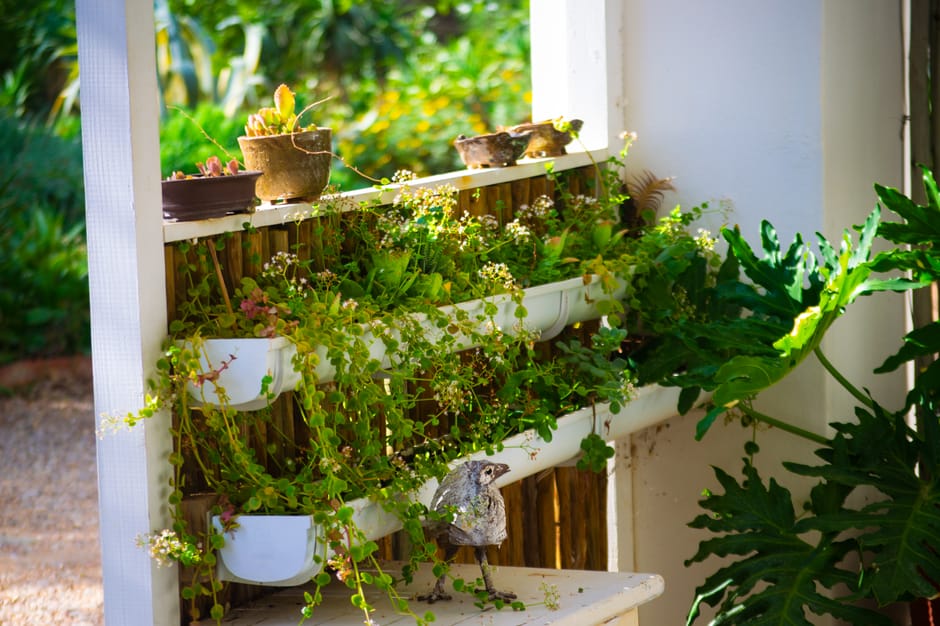
If you live in Crouch End and your outdoor space is more "just enough room for a chair" than a proper garden, you're not alone. Tiny yards and balconies can feel awkward at first, but with a few smart moves, they can become calm, green, and genuinely useful spaces. This guide to Crouch End gardeners quick wins for tiny yards and balconies focuses on the changes that make the biggest difference fast: better planting, cleaner layout, lighter maintenance, and a few design choices that make the whole space feel bigger. No fluff. Just practical ideas you can actually use on a Saturday morning.
Whether you want a prettier balcony, a low-fuss courtyard, or a small garden that feels less cluttered by next week, the approach is the same: start with the basics, use vertical space well, and avoid anything that steals room without giving much back. Let's get into it.
Why Crouch End gardeners quick wins for tiny yards and balconies Matters
Small outdoor spaces behave differently from full-size gardens. That sounds obvious, but it changes everything. In a tiny yard or on a balcony, one oversized pot, one awkward storage box, or one thirsty plant in the wrong spot can make the whole area feel cramped and harder to use. Quick wins matter because they give you visible improvement without turning the space into a long project.
In Crouch End, many homes have compact gardens, split-level courtyards, or balconies that catch a mix of shade, wind, and occasional very welcome sun. That means success usually comes from editing the space rather than filling it. People often think they need a full redesign. Truth be told, they usually need three or four well-chosen changes and a bit of tidying discipline. That is where a good local gardener can be worth their weight in compost.
The other reason this matters is maintenance. A tiny yard that looks lovely in May can look messy by July if the planting is too dense or the hard surfaces are neglected. The best small-space gardens are designed to stay attractive with modest effort. If you want regular help with that side of things, garden maintenance is often the practical backbone behind the polished look.
Expert summary: In small spaces, the best results usually come from simplifying first, then adding height, structure, and a few strong planting choices. A lighter, cleaner layout almost always feels bigger straight away.
How Crouch End gardeners quick wins for tiny yards and balconies Works
The quick-win approach works by prioritising changes that are low-risk, fast to implement, and high impact. In plain English: you deal with the things that are visually heavy or physically awkward first, then build the space back up with simple features that suit the scale.
There are usually five moving parts:
- Space editing: remove items that block movement or sightlines.
- Structure: add clear edges, levels, or a focal point so the space does not feel random.
- Vertical interest: use walls, rails, or screens to lift planting off the floor.
- Plant selection: choose compact, seasonal, or evergreen plants that fit the light and wind conditions.
- Maintenance planning: keep the work manageable so the results last more than a fortnight.
A lot of quick wins are about proportion. For instance, a couple of medium pots can look calmer than ten little ones. One bench with hidden storage may be more useful than a table and two folding chairs that you never quite bother setting up. On a balcony, a narrow trough with herbs and small flowers often does more for the atmosphere than a jumble of mismatched containers. It sounds almost too simple, but it works.
For yards that need a reset before the good stuff can begin, a tidy-up can be the fastest win of all. If the area is overcrowded with old pots, broken trellis, and windblown debris, a local garden clearance service can clear the deck so the useful work can actually happen.
Key Benefits and Practical Advantages
Quick wins are not just about aesthetics, although let's face it, looking good is part of the appeal. They also make small spaces easier to live with.
- Immediate visual lift: a neater layout and a few healthy plants can make a space feel cared for right away.
- Better use of square footage: smart vertical and corner planting avoids wasted pockets.
- Less maintenance stress: compact, well-chosen planting is easier to water, prune, and replace.
- More usable outdoor time: you are more likely to sit outside if the space feels welcoming rather than crowded.
- Improved privacy: screens, trellis, and climbing plants can soften overlooking without making things dark.
- Better seasonal resilience: thoughtful planting handles Crouch End's mixed light and weather swings more reliably.
There is also a psychological benefit people underestimate. A tidy balcony or small garden tends to make the home feel more finished. You notice it in the morning light with a coffee, or in the evening when the paving is still warm and the leaves move a bit in the breeze. Small? Yes. Insignificant? Not at all.
And if your existing lawn has become more patch than grass, a simple refresh can help. A quick trim and tidy from a lawn mowing service can make even a modest yard feel much more intentional.
Who This Is For and When It Makes Sense
This approach suits people who want a noticeable improvement without commissioning a full redesign. It is especially useful if your outdoor space is:
- a balcony with limited floor area
- a small courtyard with awkward corners
- a narrow yard that needs better flow
- a rented property where you want changes that are relatively low-commitment
- a home that needs quick improvement before selling, letting, or hosting
It also makes sense if your space has one main issue rather than several big ones. For example, perhaps the yard feels too dark because of overgrown shrubs. Or maybe the balcony is visually cluttered because every item is a different height and colour. In those cases, a focused intervention can do more than a broad makeover.
There are times when a more structural approach is better. If you need new surfaces, steps, retaining features, or a complete layout rethink, then broader landscaping or landscape gardening may be the better route. Quick wins are not a cure-all. They are the fastest sensible improvement.
One more thing: if you have a mature hedge or a tree that is swallowing daylight, trimming can change the whole mood of the space. A careful hedge trimming job can open up a balcony or tiny yard more than people expect. Honestly, sometimes that is the difference between "dim and enclosed" and "pleasantly snug."
Step-by-Step Guidance
Here is a practical order of work that suits most tiny yards and balconies. You do not need to do everything at once. Start with the biggest visual blockers first.
- Clear the sightlines. Remove broken pots, dead plants, surplus furniture, and anything that makes the area feel busy before you even step into it.
- Check the light and wind. Notice where sun falls, where shade lingers, and which areas get battered by wind. On a balcony, this matters a lot more than people think.
- Decide on one main function. Do you want a coffee corner, a herb area, a child-friendly patch, or a quiet sitting space? Tiny spaces work best when they are not trying to be everything at once.
- Choose a simple palette. Repeating two or three container colours or materials helps the space feel calmer.
- Go vertical where you can. Use wall-mounted planters, trellis, compact climbers, or shelves to keep the floor clear.
- Install one anchor feature. A bench, narrow table, or well-sized planter can pull the design together.
- Add plants in layers. Mix one or two structural plants with softer fillers and a little seasonal colour.
- Finish with maintenance-friendly details. Group pots for easier watering. Keep tools together. Make sure anything decorative is easy to move when you need access.
If there is a lot of leftover material, old soil, or broken hard landscaping in the way, deal with that first. Small spaces do not tolerate mess very well, not even a little bit. A thorough garden clearance service can remove the clutter that stops the rest of the plan from working.
Small practical example: a balcony with five scattered pots, two rusting chairs, and a drying rack feels awkward. The same balcony with one bench, three grouped planters, a simple climber on a screen, and a tidy herb tray suddenly feels deliberate. Same footprint. Totally different feel.
Expert Tips for Better Results
A few field-tested habits make a small outdoor space easier to live with and easier to keep nice.
- Repeat shapes rather than cluttering with variety. Too many different pot styles can look fussy quickly.
- Use height sparingly. A tall screen or plant can add privacy, but too many tall elements make a tiny area feel boxed in.
- Choose plants for conditions, not wishful thinking. If the balcony is windy, do not pretend it is a sheltered courtyard. The plant will know.
- Keep one clear edge. A visible boundary helps the space feel ordered and makes it easier to move around.
- Prefer fewer, better planters. Good drainage and stable materials matter more than decorative novelty.
- Plan for water. In summer, a small balcony can dry out fast by mid-afternoon. In winter, drainage matters just as much.
A small human tip from experience: if a feature feels like "maybe this will be useful later," it often becomes clutter. Be a bit ruthless. It is kinder to the space in the long run.
If your design includes raised structures, screens, or timber features, it may be worth looking at decking services as part of a more refined small-space layout. A single well-finished decked area can help separate seating from planting and stop the space from feeling muddy or patchy underfoot.
And for the best maintenance rhythm, think in small bursts. Five minutes of deadheading, ten minutes of sweeping, one proper watering check. You do not need a grand system. You need something you will actually keep doing.
Common Mistakes to Avoid
Tiny yards and balconies fail in predictable ways. The good news is that most mistakes are easy to avoid once you spot them.
- Overfilling the space. More plants do not automatically mean better design.
- Using oversized furniture. Full-depth outdoor seating often dominates a small footprint.
- Ignoring drainage. Soggy soil, standing water, and wet containers can damage both plants and surfaces.
- Mixing too many styles. The space can lose coherence very quickly.
- Choosing high-maintenance planting. A demanding plant collection sounds lovely until you have a busy week.
- Forgetting access. If you cannot water, sweep, or move around easily, the design is not working.
One classic slip is using lots of small pots because they seem flexible. In reality, they can make watering harder and make the floor feel busier than necessary. Another is placing everything against the walls and leaving the centre empty, which sounds tidy but often creates a strange, leftover feel. Small design problems, yes, but they add up.
There is also the maintenance issue. If overgrowth becomes the problem, a regular tidy may not be enough. That is when garden maintenance becomes the practical fix, because the best layout in the world still needs a bit of stewardship.
And if a tree is causing shade, debris, or safety concerns, handle it properly rather than trying to work around it forever. In some cases, tree lopping and removal may be the right discussion to have, especially where light and space are both at a premium.
Tools, Resources and Recommendations
You do not need a shed full of specialist kit to make a small outdoor area look better. A compact toolkit is usually enough.
- Hand trowel and hand fork: for replanting and small soil jobs.
- Secateurs: for deadheading, light pruning, and keeping plants neat.
- Watering can or hose access solution: especially important on balconies.
- Soft broom or dustpan brush: ideal for crumbs, leaves, and everyday debris.
- Lightweight pots with drainage: easier to reposition and less likely to overburden the space.
- Trellis or railing planters: useful for height without eating the floor area.
When choosing materials, think durability first. In a small space, the eye sees everything. A weathered planter or tatty mat is much more noticeable than it would be in a larger garden. Small areas are unforgiving like that.
If you want a wider view of what a professional can help with, the services overview is a useful place to compare options. For quotes and planning, the pricing and quotes page is there to help set expectations before any work starts. And if you care about where waste goes after a clear-out, the recycling and sustainability page is worth a look.
Law, Compliance, Standards, or Best Practice
For balconies, safety and responsibility matter more than people sometimes assume. You are dealing with a raised structure, so weight, water, and furniture placement all deserve a bit of thought. If you live in a flat or managed building, check any building or leaseholder rules before adding heavy planters, large screens, fixed structures, or anything that could affect drainage or access. That is not glamorous advice, but it saves headaches.
For shared properties, it is also sensible to avoid anything that blocks escape routes, interferes with handrails, or creates trip hazards. Wind can move lightweight items around, too. A stylish pot becomes less stylish when it slides across the floor at 7 a.m. in a gust. Happens more than you'd think.
From a best-practice point of view, the key standards are straightforward:
- use stable containers and secure lightweight items properly
- allow drainage so water does not pool
- keep access clear for cleaning and maintenance
- choose materials suitable for outdoor exposure
- make sure any work is safe to carry out at height or near edges
Professional gardening companies should also be transparent about their working practices. If you are assessing a provider, the pages on health and safety policy and insurance and safety are good signs that the business takes risk and responsibility seriously. That does not mean every tiny job is complicated. It just means the basics are being handled properly.
Options, Methods, or Comparison Table
If you are deciding where to start, it helps to compare the main approaches. Not every tiny space needs the same kind of intervention.
| Approach | Best for | Speed | Main benefit | Possible drawback |
|---|---|---|---|---|
| Quick tidy and reset | Cluttered yards, balconies with old items, spaces needing an instant lift | Very fast | Immediate visual improvement | Does not change layout much |
| Plant-led refresh | Spaces that are structurally fine but feel dull or sparse | Fast to moderate | More colour and softness | Needs the right watering and light conditions |
| Vertical layout update | Balconies and narrow yards with very little floor space | Moderate | Better use of height | Can feel heavy if overdone |
| Small landscaping change | Spaces that need structure, edging, or a more durable finish | Moderate to slower | Longer-lasting transformation | More planning and budget involved |
For many Crouch End homes, the best answer is a blend: tidy first, then add one structural element, then finish with plants. That order gives you the biggest payoff for the least frustration. Nice and practical.
Case Study or Real-World Example
Picture a small Crouch End courtyard that had become a bit of a catch-all. A couple of damaged pots, a patchy bit of planting, one heavy bench that barely fitted, and a corner where leaves always gathered. Nothing catastrophic. Just... tired.
The quickest improvements were surprisingly modest. First came a clear-out of broken containers and anything no longer useful. Then the bench was swapped for a slimmer seat with room to walk past it. Two larger grouped planters replaced several mismatched small pots. One climber was trained upward to soften the wall without using precious floor space. The final step was a clean sweep and a simple maintenance routine.
Nothing dramatic. No grand redesign. But the space started to feel intentional rather than accidental. The owner said it became a place they actually wanted to sit in after work, which is really the point, isn't it?
In spaces like this, the problem is rarely lack of potential. It is usually too much visual noise, or a layout that was never really designed for how the space gets used. A few clean decisions can change that faster than most people expect.
Practical Checklist
Use this checklist if you want a quick, low-stress improvement plan for a tiny yard or balcony.
- Remove broken, unused, or overcrowded items.
- Check where the light falls across the day.
- Look for wind exposure and rain splash zones.
- Choose one main function for the space.
- Keep the colour palette simple and repeated.
- Use vertical planting to save floor space.
- Pick containers with drainage and stable bases.
- Leave clear access for watering and cleaning.
- Use compact, low-fuss planting where possible.
- Plan basic maintenance so the improvement lasts.
One small but useful habit: before buying anything new, stand in the space and ask whether it improves the way you actually use it. If the answer is vague, skip it. That little pause saves money and clutter.
Get a free quote today and see how much you can save.
Conclusion
Small outdoor spaces in Crouch End can be brilliant when they are handled with a bit of restraint and a clear plan. The best quick wins are rarely flashy. They are the changes that make a tiny yard or balcony feel calmer, easier to use, and better cared for from the moment you step outside.
Start by clearing space, then simplify the layout, then add height and planting with purpose. Keep maintenance in mind from the beginning, because that is what keeps the result looking good in real life, not just on day one. If you do that, even a modest balcony can feel like a proper little escape. And that is a lovely thing to have, especially on a grey London evening with a mug in your hand and the city humming quietly in the background.
When you are ready to turn a cramped outdoor corner into something you actually enjoy, choose the improvements that earn their keep. Small space, smart moves. That's the whole game.
Frequently Asked Questions
What are the fastest quick wins for a tiny yard or balcony?
The fastest wins are usually clearing clutter, improving the layout, grouping pots, and adding one or two strong plants. Those changes create a more open, deliberate look without needing major building work.
How do I make a balcony feel bigger without spending a lot?
Use fewer, larger containers, keep the floor as clear as possible, and choose a simple colour palette. Vertical planting and a single slim seating piece can also make the space feel less crowded.
What plants work best in small Crouch End gardens?
The best plants are the ones suited to your light and wind conditions. Compact evergreen shrubs, herbs, climbers, and seasonal flowers often work well, but the exact choice depends on whether the space is sunny, shady, or exposed.
Is it better to use lots of small pots or a few large ones?
In most tiny yards and balconies, a few larger pots work better. They usually look calmer, are easier to water, and make the space feel less cluttered.
Can a tiny yard still have privacy?
Yes. Trellis, screens, and carefully placed taller planting can soften overlooking without closing the space in completely. The trick is to add privacy without building a wall of visual weight.
How often should a small balcony garden be maintained?
Light, regular maintenance is usually best. A quick weekly check for watering, dead leaves, and general tidying often keeps a small space in good shape far better than occasional big jobs.
When should I call in a professional gardener?
It makes sense to call a professional if the space needs clearing, redesigning, hedge work, tree work, or ongoing maintenance. It is also helpful if you want the job done quickly and neatly the first time.
Do I need planning permission for balcony planting or garden changes?
Simple planting usually does not need permission, but building rules, lease terms, or property management rules may apply in flats and shared buildings. Heavier structures or fixed changes should always be checked first.
What should I avoid on a small balcony?
Avoid overcrowding, very heavy items, unstable furniture, and anything that blocks access or drainage. Also be careful with very thirsty plants if you know you will struggle to water them regularly.
How can I make a small garden easier to keep tidy?
Pick low-maintenance plants, reduce the number of separate items in the space, and make sure everything has a clear place. Simple storage, grouped pots, and a regular sweep make a big difference.
Are quick wins worth it if I want a full redesign later?
Yes. Quick wins can make the space more usable now, and they often help you see what the garden or balcony really needs before you invest in a bigger project.
What if my tiny yard is mostly shade?
Shady spaces still have plenty of potential. Focus on shade-tolerant planting, lighter materials, and careful trimming to maximise daylight where possible. Sometimes just opening up the canopy or edge planting makes the space feel completely different.